
Click on the title to learn more!
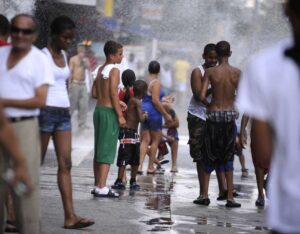

Modern Seasoning: A New Methodology for Research on Heat and Disease
Heat Chapbook
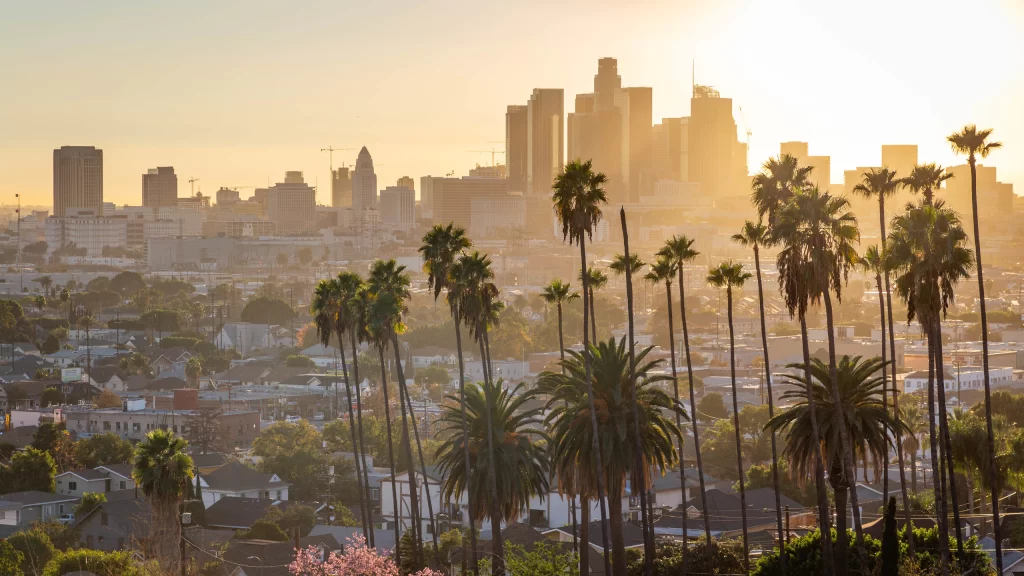
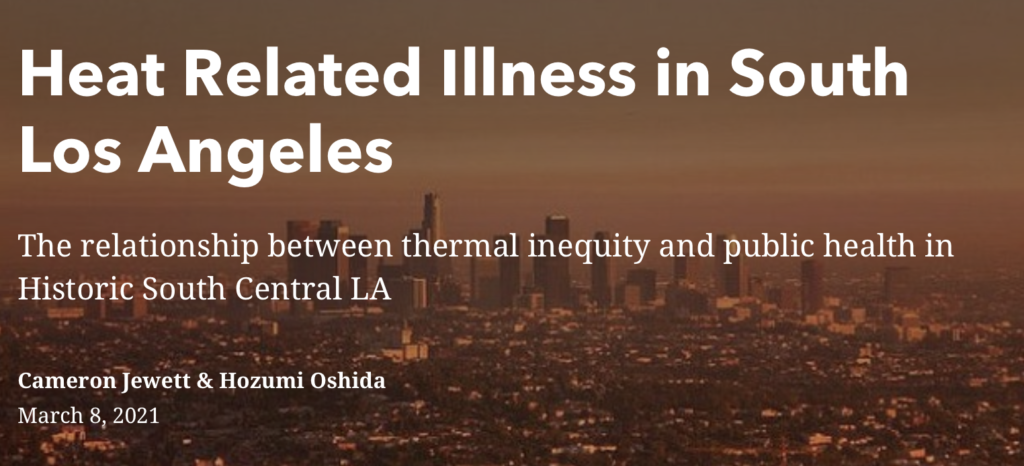
It’s Always Sunny in Central LA
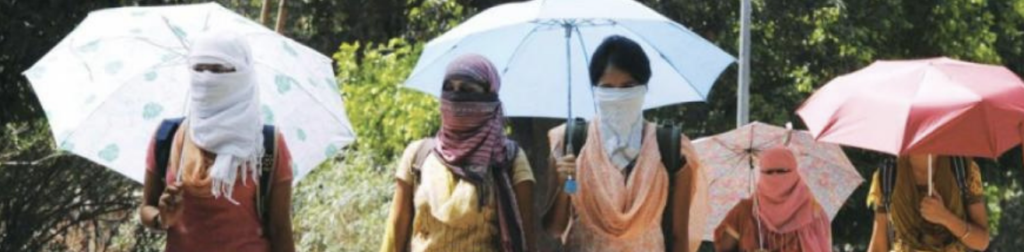
Impacts of Colonial Technologies on Heat Vulnerability

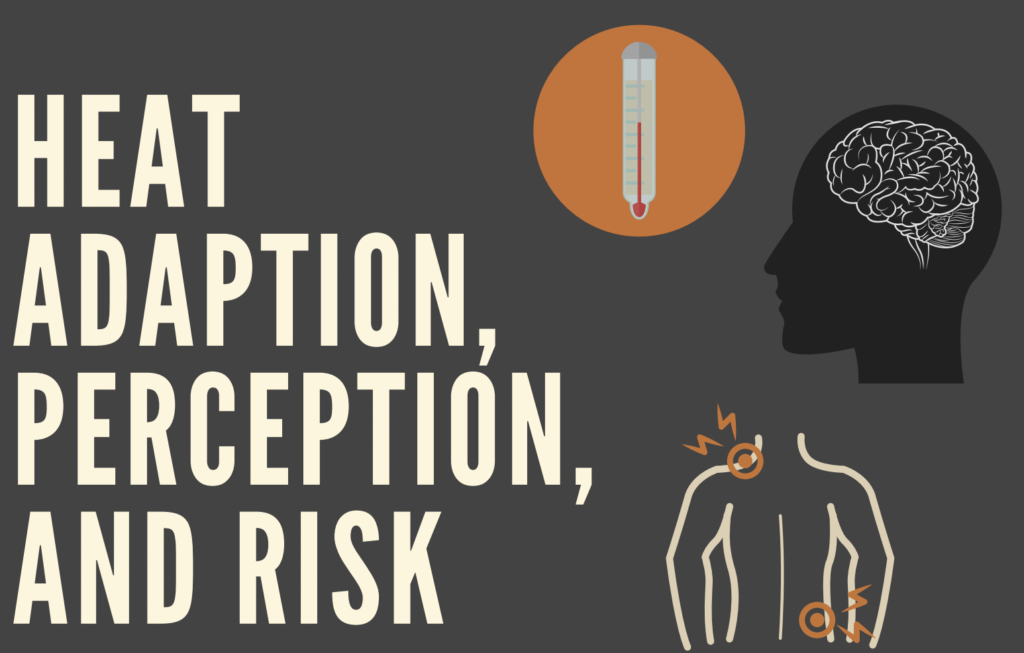
Farmer’s Information Packet: Heat Adaptation, Perception, and Risk

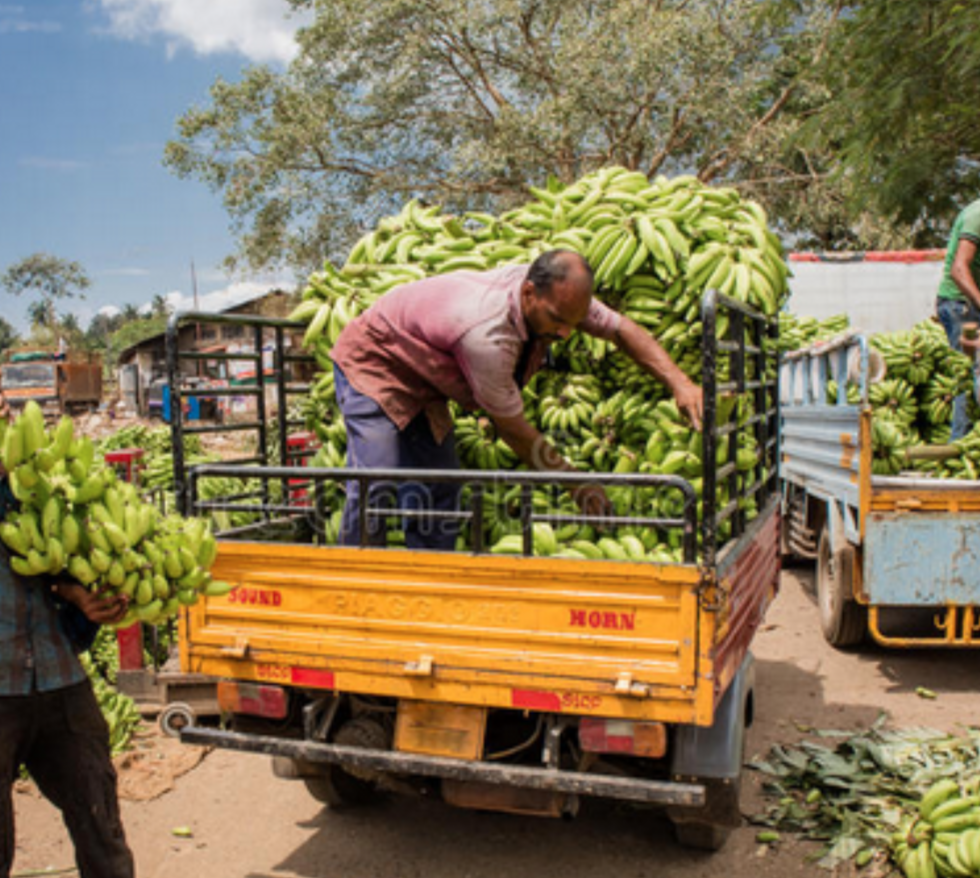
Race and Heat: Occupational Risk in Regards to Heat Exposure

Red Hot LA: Mapping Energy Inequality
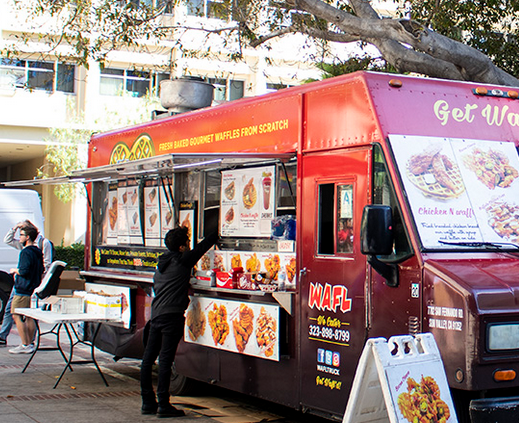
Food Truck Audit
TRAG Watts Heat Project
Guadalupe Bernabe, Katarina Cabrera, Symphony Jackson , Gael Perez
In a case study of Watts, Los Angeles—a historically Black neighborhood where temperatures are 4.7°F hotter than the city average—the research team is examining how the neighborhood’s microclimate has changed over time to pinpoint what discriminatory interventions contributed to the present-day heat burden. This is an interdisciplinary study led by Dr. Kelly Turner and Dr. Mark Vestal from the UCLA Luskin School of Public Affairs and Dr. Bharat Venkat from the Institute of Society and Genetics and Department of History.
Specifically, the UCLA Heat Lab student researchers are on the Oral History Team where they aim to document “thermal narratives” and “idioms of heat,” which encourages participants to speak about their experiences of heat beyond the social and natural sciences and to develop a vocabulary that describes bodily and environmental sources of heat and its affective associations. In collaboration with archival analysis and microclimate simulation modeling of specific Watts locations, the research team ultimately aims to understand the specific causes of heat disparities to identify how and where to invest resources to advance environmental justice.